

Surgical Conditions – Surgery Outreach
Get Answers About Pain That May Need Surgery
Find the cause of your symptoms, understand your options, and connect with surgical care close to home.
- Surgical Evaluations
- Diagnostic Testing
- General Surgery Close to Home
Abdominal Pain Can Be Hard to Read
A new bulge, pain after eating, or a sudden stomachache may seem manageable at first.
But some symptoms can point to a condition that needs surgery. Others may become dangerous if you wait too long.
Knowing where to start and when to seek emergency care can help protect your health.
Surgical Conditions We Evaluate and Treat
Hernias
A hernia happens when tissue or part of an organ pushes through a weak area in the surrounding muscle.
You may notice:
- A bulge in the abdomen or groin
- Pain or pressure near the bulge
- Discomfort when lifting, coughing, or bending
- A heavy or pulling feeling
- Pain that gets worse while standing
- Swelling near a past surgical incision
Some hernias can be monitored. Others may need surgery, especially if they are painful, growing, or affecting daily life.
A hernia may become an emergency if tissue becomes trapped and loses its blood supply.
Gallbladder Disease and Gallstones
The gallbladder stores bile, which helps your body digest fat. Gallstones are hard pieces of material that can form inside it.
Some gallstones cause no symptoms. Others can block the flow of bile and cause a gallbladder attack.
Symptoms may include:
- Pain in the upper-right abdomen
- Pain that spreads to the back or right shoulder
- Pain after eating
- Nausea or vomiting
- Tenderness in the abdomen
- Fever or chills
- Yellowing of the skin or eyes
- Dark urine or light-colored stool
Your provider may recommend testing, monitoring, or surgery based on your symptoms and whether the gallbladder is inflamed or blocked.
Appendicitis and Acute Abdominal Pain
Appendicitis happens when the appendix becomes inflamed. It can worsen quickly and become life-threatening if the appendix bursts.
Possible symptoms include:
- Pain that begins near the belly button
- Pain that moves to the lower-right abdomen
- Pain that becomes worse over time
- Loss of appetite
- Nausea or vomiting
- Fever
- Swelling or tenderness
- Constipation or diarrhea
Do not wait for an Outreach Visit if you think you may have appendicitis. Go to the Emergency Department for prompt evaluation.
Not all sudden abdominal pain is appendicitis. Gallbladder problems, kidney stones, infections, bowel blockages, and other conditions can cause similar symptoms.
Surgical Care Available at CDP Health
Your care may include:
- Family Medicine evaluation
- Emergency evaluation
- General Surgery consultation
- Blood and urine testing
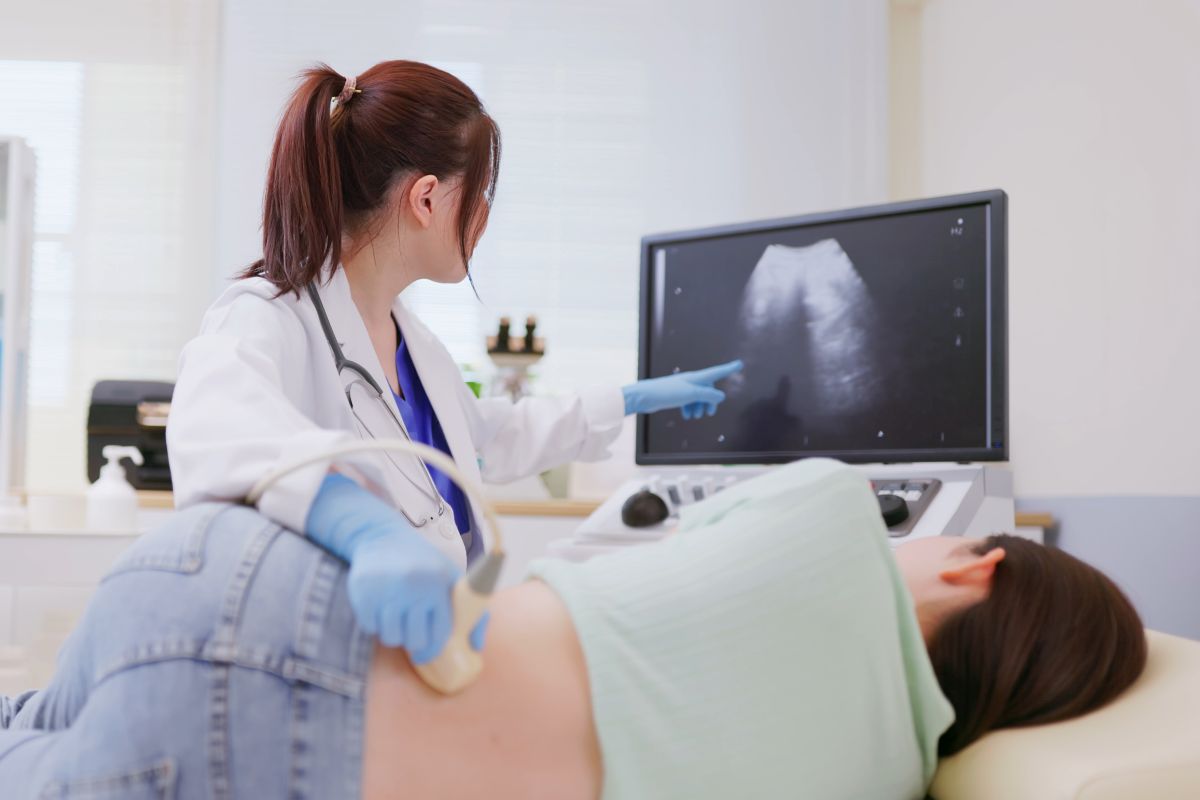
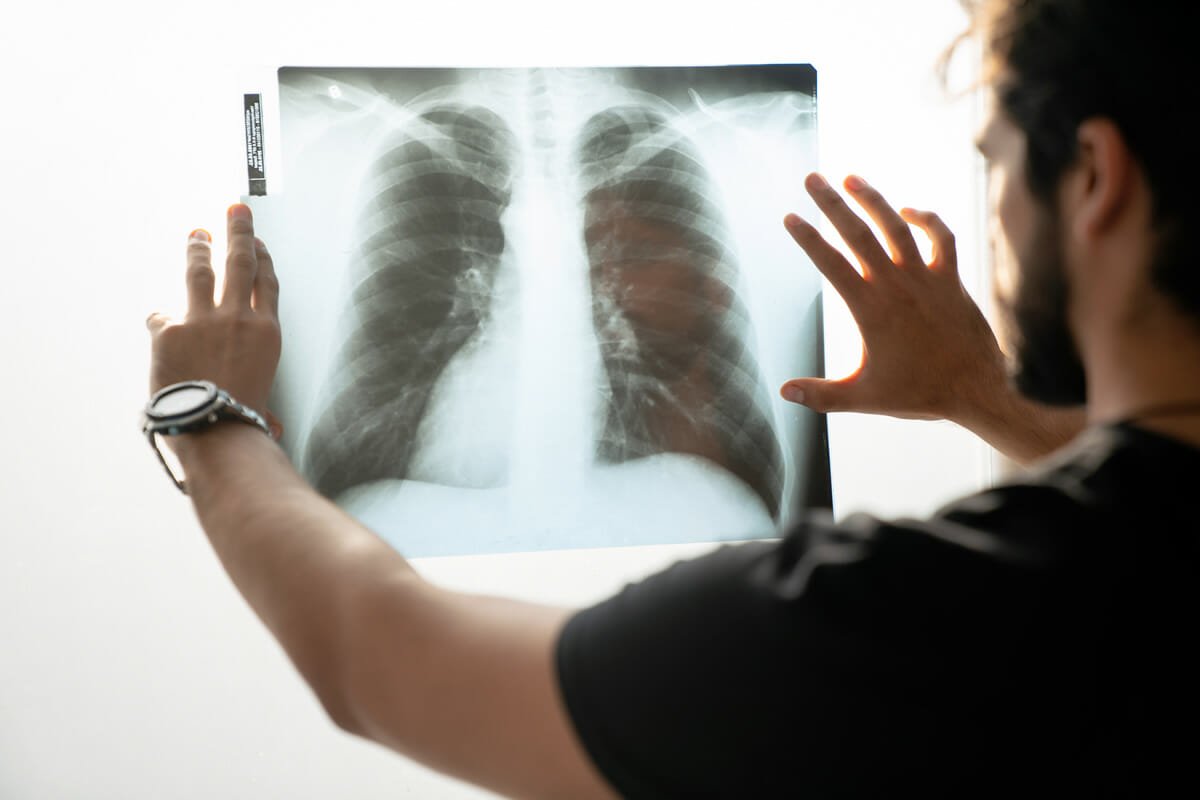
- Diagnostic imaging
- Minimally invasive laparoscopic surgery
- Anesthesia and hospital care
- Post-surgical monitoring
- Swing Bed recovery
- Therapy Services
- Home Health
- Referrals for more specialized care
CDP Health lists hernias, gallbladder problems, and appendicitis among the common reasons patients may need surgery. The care team also provides minimally invasive endoscopic and laparoscopic procedures when appropriate.

Meet With a General Surgeon in Sisseton
CDP Health’s Outreach Visits program brings general surgery consultations to the Sisseton Clinic on select dates.
Kristopher Johnson, MD
Dr. Johnson provides General Surgery Outreach Visits through Prairie Lakes Health Care System.
To schedule an Outreach Visit, call Prairie Lakes Health Care System at 605-882-7777 and ask to be seen at the Sisseton Clinic.
Visit dates may change. Confirm the current schedule when making your appointment. View current General Surgery Outreach information.

Kristopher Johnson
MD
Move Forward With a Clear Surgical Plan
The right evaluation can help you:
- Understand what may be causing your symptoms
- Learn if surgery is needed
- Review nonsurgical options when appropriate
- Prepare for a procedure
- Receive more care close to home
- Plan for recovery
- Know when a condition needs urgent care
Take the Next Step
1. Schedule a Consultation
Contact CDP Health or call the surgeon’s office directly to request a General Surgery Outreach Visit.
2. Complete Your Evaluation
Talk about your symptoms and complete any recommended examination, laboratory work, or imaging.
3. Review Your Options
Work with your surgical team to choose the right treatment and prepare for recovery.
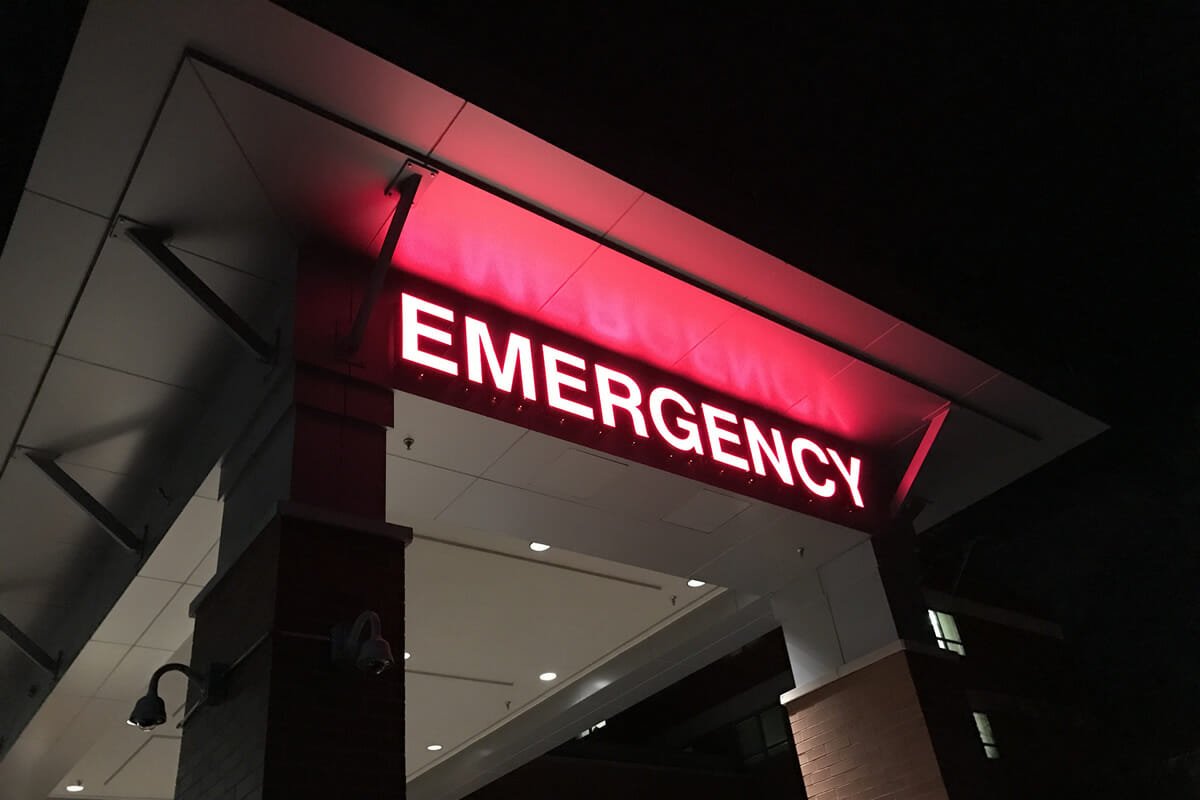
For sudden or severe abdominal pain, go directly to the Emergency Department.
Surgical Care That Keeps You Informed
The thought of surgery can bring questions about the procedure, risks, recovery, and time away from daily life.
CDP Health provides general surgery evaluations, diagnostic services, minimally invasive procedures, hospital care, and recovery support. The surgical team coordinates with other providers and makes outside referrals when more specialized care is needed.
View the CDP Health Outreach Visits listing and Provider Directory.
Do Not Wait With Severe Abdominal Symptoms
Call 911 or go to the nearest Emergency Department for:
- Sudden or severe abdominal pain
- Pain that quickly becomes worse
- A hard, painful, or discolored hernia bulge
- A painful hernia with nausea or vomiting
- Abdominal pain with fever or chills
- Repeated vomiting
- Fainting, confusion, or severe weakness
- A swollen abdomen with an inability to pass stool or gas
- Yellow skin or eyes with severe abdominal pain
Possible appendicitis, a trapped hernia, and a blocked or infected gallbladder need prompt medical attention.
Care Before and After Surgery




Surgical Conditions Questions
How do I know if a hernia needs surgery?
A surgeon will consider the hernia’s size, location, symptoms, and risk of complications. Painful or growing hernias are more likely to need repair.
When is a hernia an emergency?
Get immediate care if a hernia becomes very painful, hard, swollen, discolored, or cannot be gently reduced. Nausea, vomiting, fever, or an inability to pass stool or gas may signal a serious complication.
Do all gallstones need treatment?
Gallstones that cause no symptoms may not need treatment. Gallstones that cause repeated pain, inflammation, infection, or a blockage may require surgery.
What does a gallbladder attack feel like?
A gallbladder attack often causes steady pain in the upper-right abdomen. The pain may last for hours, occur after eating, or spread to the back or right shoulder.
Is appendicitis always an emergency?
Possible appendicitis needs prompt medical evaluation. Without treatment, the appendix may burst and cause a serious infection.
Should I schedule an Outreach Visit for sudden abdominal pain?
Sudden, severe, or quickly worsening abdominal pain should be evaluated in the Emergency Department. Outreach appointments are better suited for non-emergency consultations and planned follow-up.
What testing may be needed before surgery?
Your evaluation may include a physical exam, blood or urine testing, diagnostic imaging, and other tests based on your symptoms and health history.
Does CDP Health offer minimally invasive surgery?
CDP Health provides minimally invasive endoscopic and laparoscopic surgeries when appropriate. Your surgeon will explain which approach fits your condition.
How do I schedule a General Surgery Outreach Visit?
Call Prairie Lakes Health Care System at 605-882-7777 and ask to schedule an appointment at the Sisseton Clinic.
Get a Clear Answer About Your Next Step
Talk with a surgical care team about your symptoms, treatment options, and recovery.